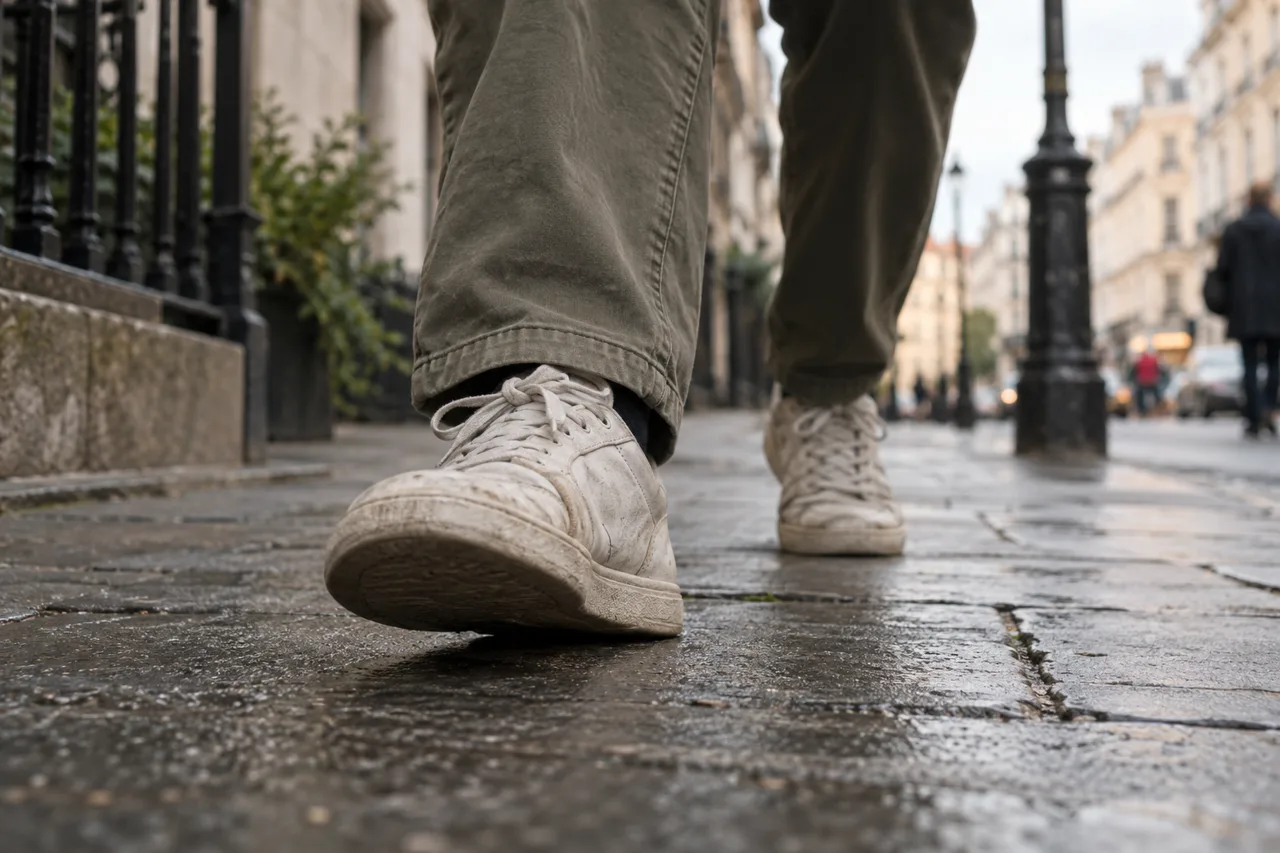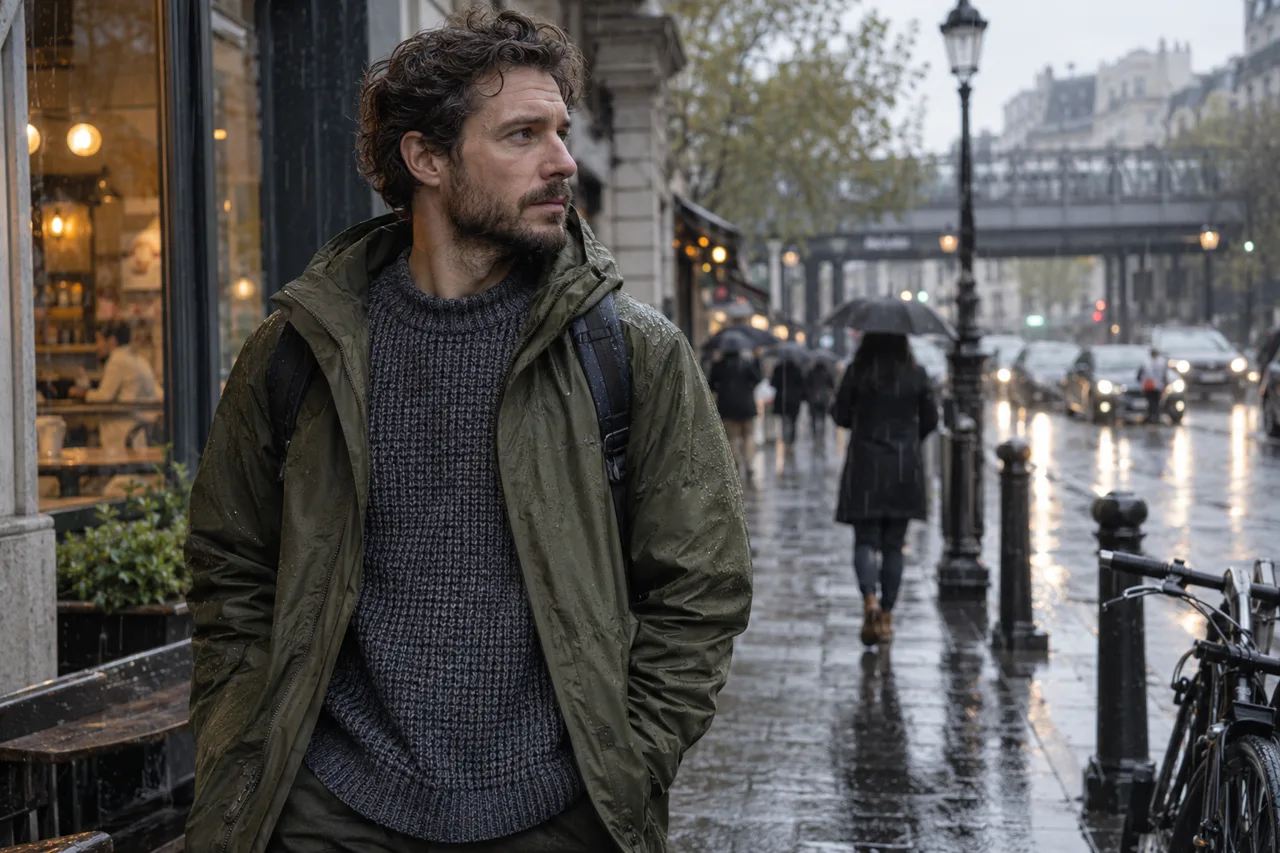
A cold morning, a warm train, a windy street, and a heated room can all belong to the same day. One heavy garment may solve only one of those moments. Practical layering gives you smaller adjustments: opening a front, removing a middle piece, or adding protection outside without starting the outfit again.
Begin with the conditions and activities you expect. This guide focuses on everyday city life and event outings, not specialist outdoor expeditions. Severe weather, occupational requirements, or particular health needs may call for guidance beyond an ordinary clothing plan.
Assign a job to each piece
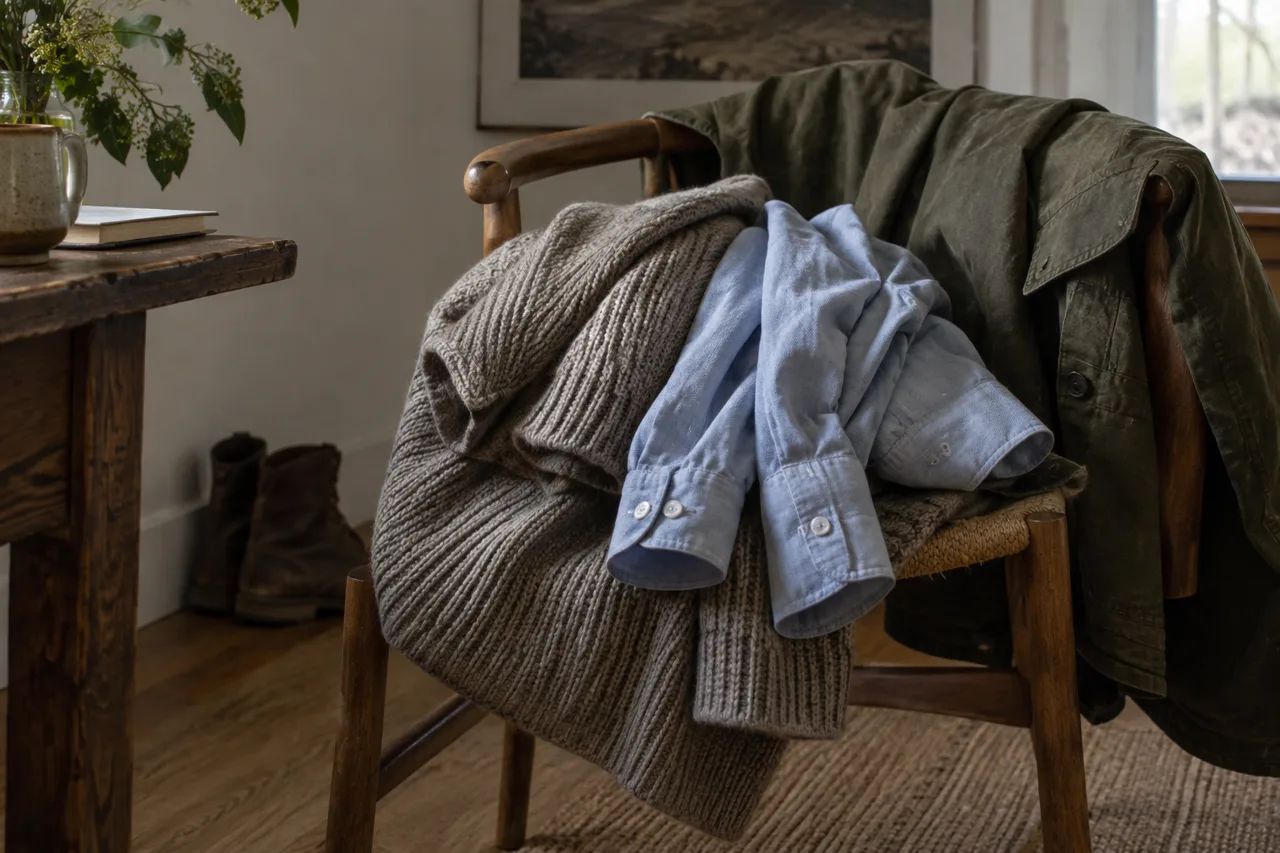
Think of three possible jobs: a comfortable layer against the skin, a layer for warmth, and an outer layer for the conditions. You may not need three garments every day. A mild forecast might call for a shirt and light jacket; a colder day may require a different combination. The framework is a way to avoid adding pieces without knowing why.
The base layer should feel comfortable on its own if you expect to remove everything above it. Check the neckline, sleeve length, and opacity in ordinary daylight. If you would feel awkward wearing it in the room you are visiting, it does not provide the flexibility you were counting on.
The middle layer needs to fit under the outer one without restricting movement. The outer layer should suit the conditions you intend to face. Read the manufacturer’s description rather than deciding from appearance alone. A jacket that looks substantial may not offer the weather protection you assume.
Build outward from the outfit you will wear indoors
Try the base with your chosen bottom and shoes first. You should like that combination before adding the rest. Then put on the middle layer and check the new proportions. Finally, add the outer piece. This sequence shows where the outfit stops working instead of hiding the problem under another garment.
Move your arms forward as if reaching for a rail or carrying a bag. Bend your elbows and sit down. Sleeves that feel fine separately can bunch when stacked. Shoulder room matters too: an outer layer that closes only when you stand perfectly still is unlikely to feel useful during the day.
Check collars and hoods together. Several thick necklines can become uncomfortable or visually busy. You might prefer a simple base beneath a collared overshirt, or a collarless middle layer beneath a coat. There is no required formula; look for the combination that stays comfortable when fully fastened.
Choose the adjustment you actually need
A front-opening garment offers a different kind of control from a pullover. You can partly open a cardigan or overshirt without removing it. A pullover may feel simpler when worn continuously but require more effort to take off in a crowded space. Match the fastening to the number of changes you expect.
Sleeve length also affects the adjustment. A short-sleeved base under a jacket can feel right in one climate but leave you wishing for an intermediate option in another. Try the outfit with the outer layer removed and ask whether the remaining pieces cover the likely indoor temperature.
Thickness is only one factor. Fit, coverage, fabric construction, wind exposure, and your activity all affect how the clothes feel. Avoid promises that a particular fiber will make everyone comfortable. Your previous experience with a garment is useful evidence for your own choice, especially when the planned day is familiar.
Three changing-weather situations
For a cool commute followed by a warm office or café, begin with an indoor outfit you can comfortably keep on for hours. Add a removable layer for the journey and an outer piece if the forecast calls for one. Decide where those removed garments will go when you arrive, especially if storage is limited.
For a stadium afternoon that runs into evening, think about sitting still as well as walking. A layer that felt unnecessary on the approach may become welcome later. The stadium dressing guide helps connect the temperature plan to your seat, permitted bag, and departure route.
For a short city trip, choose pieces that work across several outfits. An adaptable middle layer can be more useful than two jackets with nearly identical roles. The short-trip wardrobe guide shows how to plan these combinations without treating every activity as a separate suitcase requirement.
Rain changes more than the jacket
If rain is likely, think about the whole outfit. Long hems can meet wet pavement, a bag may need protection, and the shoes still have to suit the route. Check the outer garment’s stated performance and condition. Water-resistant and waterproof claims should be read in their specific product context rather than treated as interchangeable decoration.
A hood can be useful when you need your hands free, but test the fit and your ability to see comfortably. An umbrella may be convenient for an ordinary street journey yet restricted at a particular event. Confirm the venue’s rules before relying on either an accessory or somewhere to store it.
A rain layer is not a lightning safety plan. The National Weather Service’s outdoor lightning guidance advises getting into a safe building or vehicle during a thunderstorm. Follow official event instructions and do not treat clothing or an open-sided shelter as protection from lightning.
Plan for the layer you take off
A successful outfit has a place for the unused piece. Consider a bag that is allowed at your destination, a confirmed coat check, or a garment compact enough to manage comfortably. Do not assume you can leave a coat on an empty neighboring seat or hang it somewhere secure.
Try folding the layer before the day begins. Some jackets are light but bulky; some knits take up more room than expected. If carrying the piece creates a new problem, consider a different garment or revise the plan. Tying clothing around your waist may be comfortable for you, but test how it moves and whether sleeves trail.
Pockets can help with small items, yet overloading them changes the fit of a jacket. If the outer layer is where your ticket and phone live, remember that you may remove it. Keep essentials accessible through each version of the outfit, not just the fully dressed version at home.
When layers feel bulky, edit before adding
Start by identifying where the bulk sits. It may be at the upper arm, neck, waist, or hem. Change one layer at that point rather than assuming you need larger versions of everything. A different sleeve shape or a lighter middle piece may solve the issue more cleanly.
You can also simplify the visual arrangement. Let one layer be clearly visible and keep the others quieter if that suits your taste. Repeating a color can connect different textures, but contrast can work just as well. The visual choice should come after the clothes allow you to move comfortably.
Before leaving, check the hourly forecast and the plan for getting home. Make the smallest useful adjustment. The value of layering is that it gives you options during the day; you do not need to predict every temperature perfectly before you open the door.
Practical guidance to adapt to your own needs. Check event requirements with the organizer. Read our editorial standards.